Pest, rodent, and insect tips
Practical steps that help reduce pest activity and prevent rodents and insects from becoming established around homes, cottages, and managed properties. These tips focus on everyday actions that limit attractants, reduce access, and address problems early.

Reducing Rodent Activity
Rodent issues are often influenced by everyday habits such as food storage, garbage handling, and cluttered storage areas. Mice and rats take advantage of small opportunities and will remain active around a property as long as food, shelter, and access points exist. These tips focus on practical steps that help reduce rodent pressure and prevent activity from becoming established.
-
Store garbage, compost, and recycling in sealed containers and keep them away from building walls whenever possible.
-
Clean up spilled bird seed, pet food, and crumbs promptly, especially in garages, sheds, and storage areas.
-
Reduce clutter in garages and basements, as rodents prefer undisturbed areas for nesting.
-
Avoid storing cardboard long-term, as it provides nesting material and absorbs food odours.
-
Keep garage doors closed when not in use and address gaps or damaged weather stripping.
-
If rodents are seen repeatedly, assume an entry point exists and focus on locating it rather than relying on traps alone.

Insect Prevention Tips
Insects are commonly drawn indoors by warmth, moisture, and easy entry points. Small cracks, damp areas, and food residue can all contribute to ongoing insect activity. These tips are aimed at limiting attractants and reducing the conditions that allow insects to enter and remain active inside structures.
-
Seal small cracks and gaps around windows, doors, and utility lines to limit insect entry.
-
Address moisture issues such as leaks, condensation, or poor drainage, as many insects are attracted to damp areas.
-
Keep basements, crawl spaces, and utility rooms dry and well-ventilated.
-
Reduce exterior lighting near doors and windows when possible, as lights attract insects that may enter the structure.
-
Store firewood and building materials away from the structure to reduce insect harborage.
-
Avoid leaving food or drink residue in living spaces, especially during warmer months.

Seasonal Pest and Rodent Tips
Pest activity often changes with the seasons as temperature, weather, and food availability shift. Certain times of year bring increased pressure from rodents or insects, especially during transitions between warm and cold weather. These tips focus on actions that can be taken seasonally to stay ahead of changing pest behaviour.
-
Increase monitoring in fall as rodents seek shelter from colder temperatures.
-
Expect increased indoor insect activity during sudden temperature drops.
-
Use winter snow to spot rodent travel routes along foundations and under decks.
-
Perform spring cleanup early to remove debris that may shelter insects or rodents.
-
Do not assume pests will leave on their own with seasonal changes, as many remain active year-round indoors.
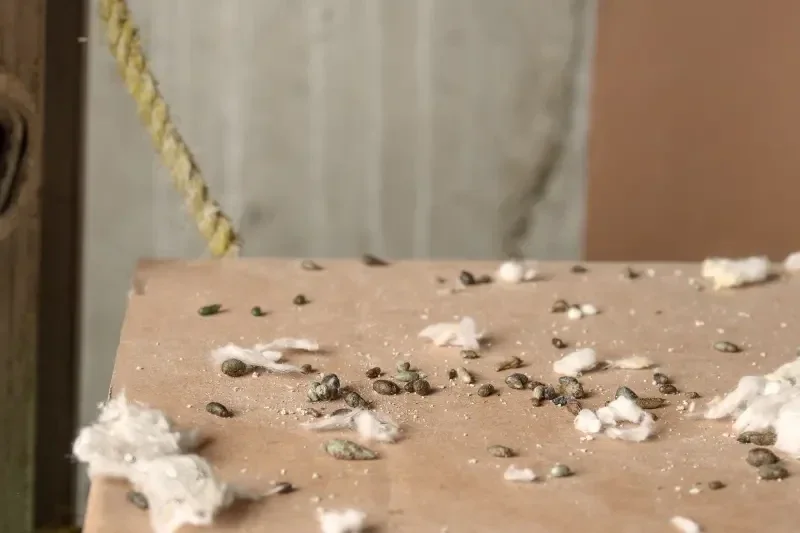
When Activity is Noticed
Early action is important when pest or rodent activity is observed. Delaying response or relying on temporary fixes often allows problems to worsen over time. This section focuses on what to consider when signs of activity appear and how to avoid common mistakes that lead to repeated issues.
-
If droppings, insects, or rodent sightings continue after cleanup, assume conditions are still favourable for activity.
-
Avoid repeated temporary fixes that do not address access points or attractants.
-
Focus on reducing food sources, shelter, and access at the same time, rather than addressing only one factor.
-
Address pest activity early, as small issues can escalate quickly once pests become established.