Property & Maintenance Tips
Welcome to Mitchell's Nuisance Wildlife Solutions' property tips page. Our goal is to provide everyone with valuable insights into maintaining a pest-free and wildlife-resistant property. Learn how to identify potential issues, implement preventative measures, and take action to safeguard your home or business. Let's work together to create safer, healthier environments for all.

Exterior Structure Tips
The exterior of a building is the first area affected by weather, movement, and wear over time. Small changes can create access points if they go unnoticed. These tips focus on actions that help reduce exterior vulnerabilities before they become problems.
-
Walk the exterior of the property periodically and look for gaps, loose materials, or damaged areas that were not there before.
-
Pay close attention to rooflines, soffits, fascia, and roof-to-wall intersections, as these areas are most affected by weather and movement.
-
Address loose siding, warped trim, or missing pieces promptly rather than leaving them exposed.
-
Check vent covers regularly and replace any that are damaged, loose, or missing.
-
Avoid using temporary materials such as plastic, tape, or light mesh to cover exterior openings.
Foundation and Lower Level
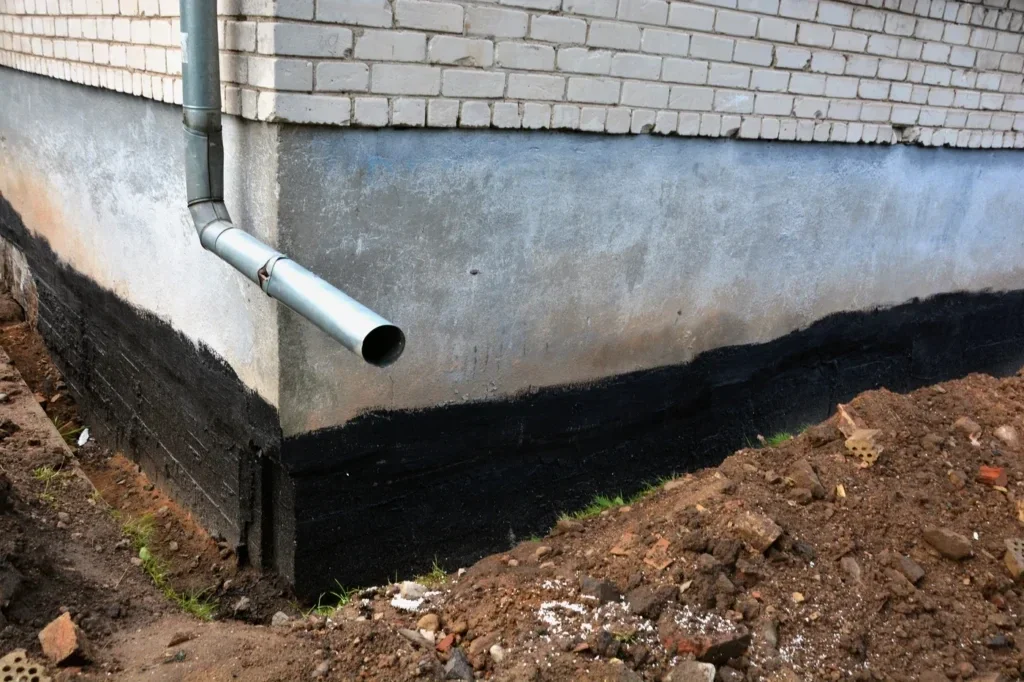
Lower areas of a structure often experience moisture, settling, and reduced visibility, making them common starting points for issues. These tips focus on actions that help reduce risk at ground level and below.
-
Inspect foundation edges for cracks, gaps, or areas where materials have shifted over time.
-
Keep soil, mulch, and landscaping from being built up against siding or foundation walls.
-
Make sure basement windows and window wells are clear and properly sealed.
-
Check crawl spaces and lower-level access points for signs of moisture or entry gaps.

Garage, Decks and Additions
Garages, decks, and additions can create hidden access routes where different parts of a structure connect. These areas are often cluttered or overlooked. These tips focus on actions that help reduce concealed entry opportunities.
-
Keep garages organized and reduce clutter so changes or damage are easier to spot.
-
Address gaps around garage doors and shared walls between garages and living spaces.
-
Inspect where decks, porches, or additions connect to the main structure, as these areas often conceal openings.
-
Avoid storing items tightly against exterior walls where visibility is reduced.
Seasonal Property Checks
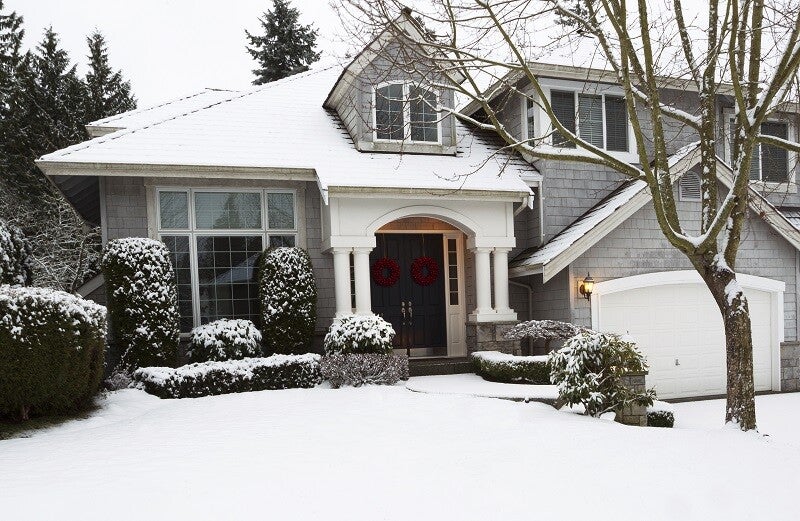
Property conditions change throughout the year as weather and temperature fluctuate. Damage can occur gradually or suddenly during seasonal transitions. These tips focus on actions that help catch issues early as conditions change.
-
Perform exterior checks after storms, heavy winds, or freeze–thaw cycles.
-
Clear leaves, snow, and debris from rooflines, vents, and around foundations.
-
Recheck older repairs seasonally to ensure they remain secure.
-
Do not assume seasonal damage will correct itself once weather improves.
When Property Issues Are Noticed
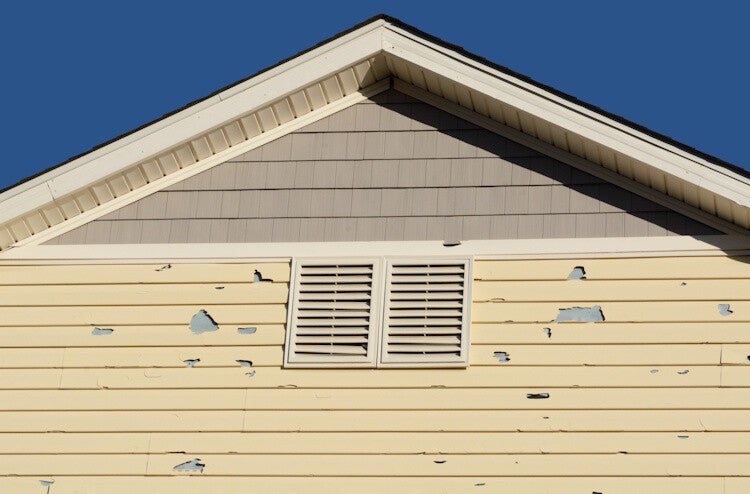
Small property issues often indicate a larger underlying problem. Repeated damage or short-term fixes usually mean the root cause has not been addressed. These tips focus on how to respond when something doesn’t look right.
-
Address small issues early, as minor damage often becomes a larger access point over time.
-
Avoid repeated short-term fixes that do not hold up to weather or pressure.
-
If the same area requires repeated attention, assume an underlying issue remains unresolved.
-
Focus on correcting the condition itself rather than repeatedly managing the symptoms.