Living in Harmony with Wildlife
Bird and wildlife activity can affect a wide range of properties, including houses, rental units, cottages, and managed residential or commercial buildings. Understanding how birds and wildlife interact with structures helps occupants, owners, and property managers recognize early warning signs and reduce the risk of damage, safety concerns, and interior intrusion.
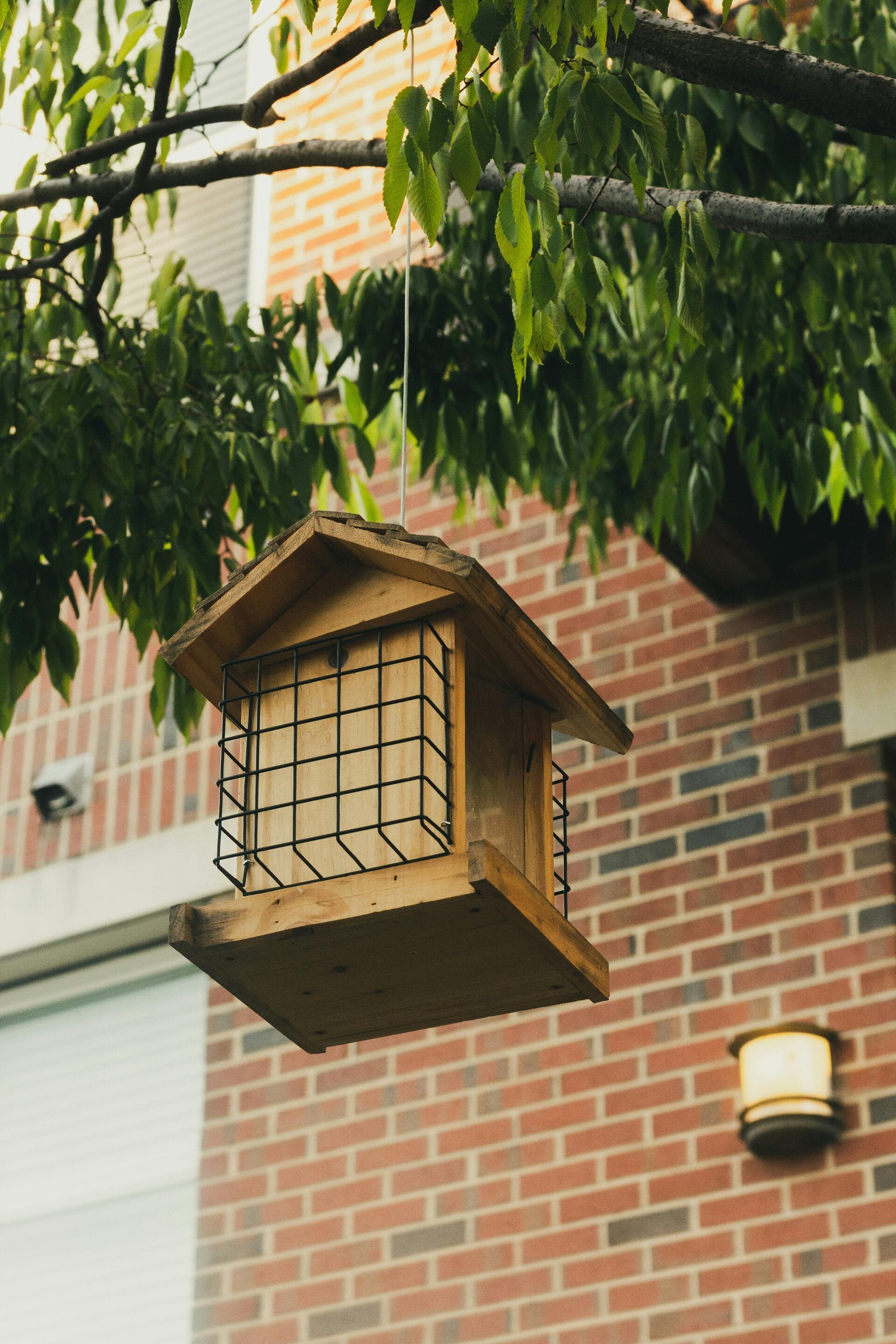
Wildlife Entering Structures
Birds and wildlife are naturally drawn to buildings that provide shelter, warmth, and protection from predators. These opportunities are often created unintentionally through building design, aging materials, and seasonal wear.
-
Keep tree branches and climbing access trimmed back from roofs to reduce wildlife access to rooflines.
-
Avoid leaving damaged vents, loose flashing, or broken exterior materials unattended, as wildlife will exploit even minor weaknesses.
-
Do not cover entry points with temporary materials such as foam, wood, or household mesh, as wildlife can push or chew through them.
-
Avoid sealing openings if wildlife may still be inside, as this can trap animals and create further damage or odour issues.
-
Keep garages closed when not in use and repair gaps around garage doors, as garages are common entry points into structures.
-
If wildlife has accessed a structure before, monitor that area regularly, as animals often return to previously successful locations.

Seasonal Tips
Seasonal changes play a significant role in wildlife behaviour. Activity patterns shift throughout the year depending on breeding cycles, migration, and weather conditions.
-
Increase exterior checks in spring and early summer, when bird nesting activity is highest.
-
Pay closer attention to rooflines and exterior openings in fall, when wildlife begins seeking shelter.
-
Use winter snow to your advantage by looking for tracks or travel routes leading to structures.
-
After storms or heavy winds, visually check vents and roof edges from the ground for displacement or damage.
-
Do not assume issues will resolve on their own with seasonal changes, as wildlife often returns year after year.
Early Signs
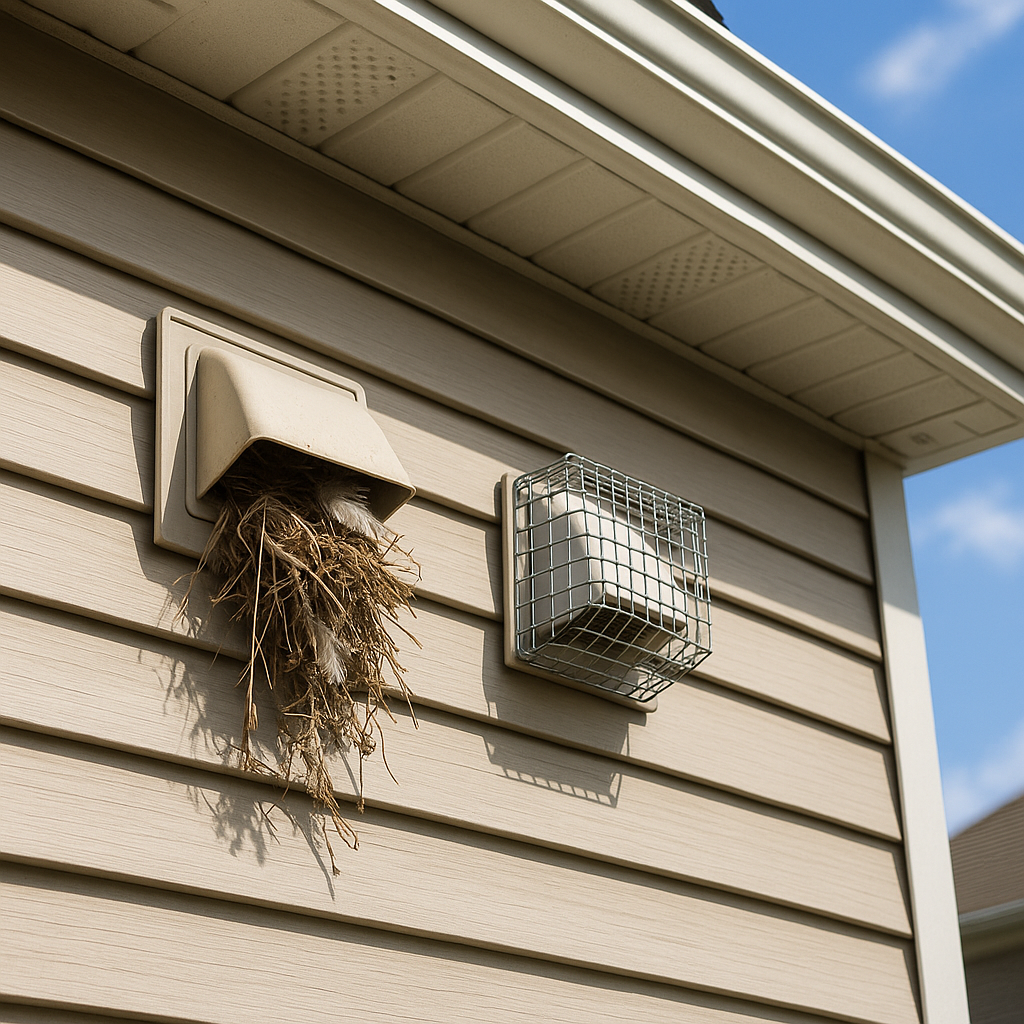
Early warning signs of bird and wildlife activity are often subtle and may be overlooked if exterior areas are not monitored regularly. These signs commonly appear outside before interior access occurs.
-
If you see nesting material forming, address it immediately rather than waiting for activity to increase.
-
If you hear scratching or movement inside walls or ceilings, stop using temporary fixes and investigate the cause.
-
If droppings or staining appear repeatedly, identify and address the source above rather than cleaning the area alone.
-
If activity continues despite cleanup, assume an access point still exists and focus on locating it.
-
Avoid repeated DIY fixes that fail, as they often allow problems to worsen over time.
Bird Activity
It is also important to note that birds do not need to enter a building to cause problems. Roosting and nesting on ledges, soffits, balconies, and rooflines can lead to issues over time.
-
Check dryer, bathroom, and kitchen vents regularly and address any damage or missing covers promptly.
-
Remove nesting material early, before eggs are laid, to discourage birds from establishing a nesting site.
-
Avoid allowing birds to repeatedly roost on ledges, balconies, or soffits, as this often leads to staining and blocked vents over time.
-
Clean droppings and debris promptly, as lingering material encourages birds to continue using the same area.
-
Do not attempt to block vents or openings with plastic, tape, or temporary screens, as these often fail and can restrict airflow.
-
If birds return to the same area each year, preventative measures should be considered rather than repeated cleanup alone.
